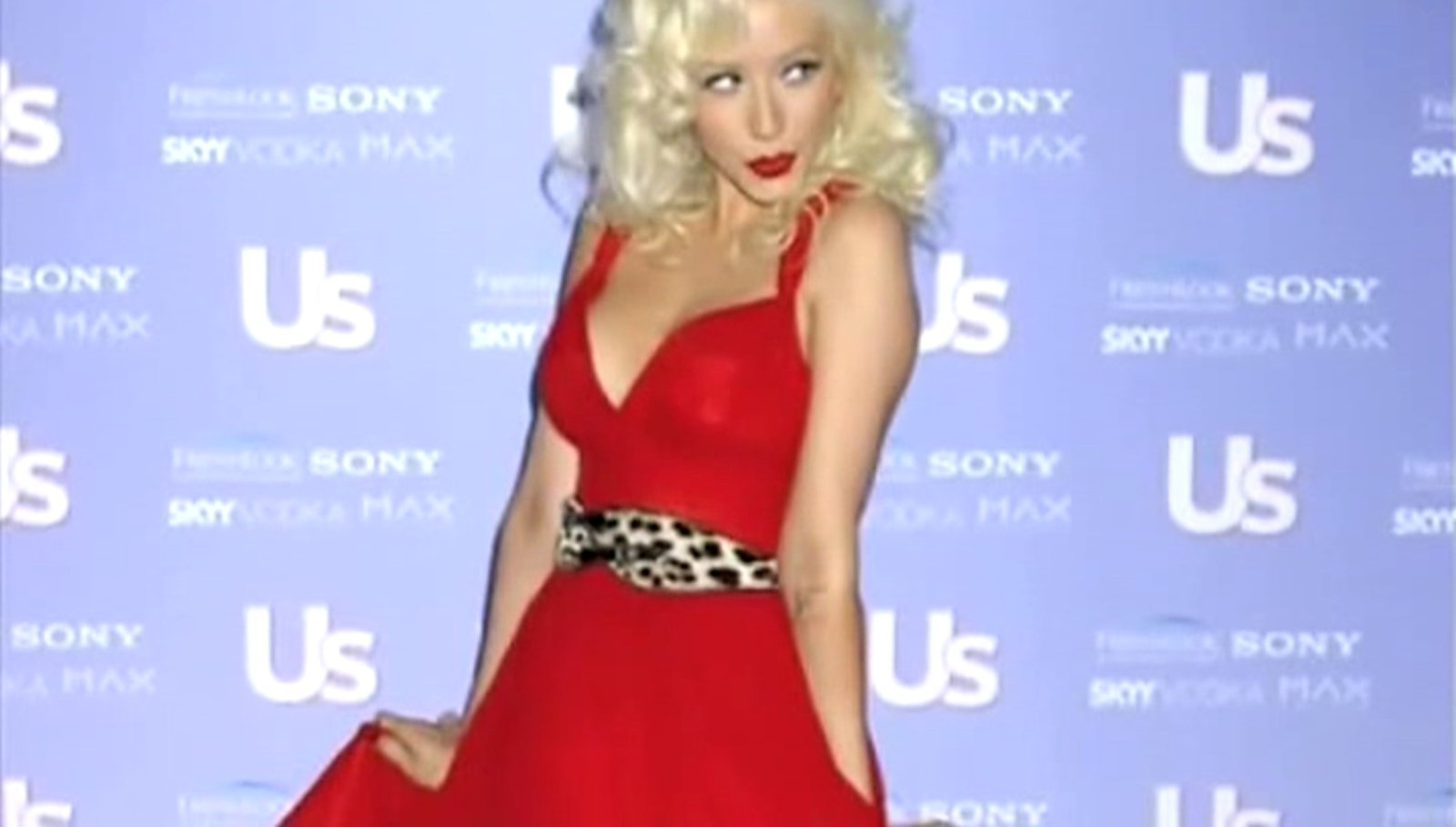
The Arrivals: The Lady in Red — Satan’s Distraction and the Illusion of Freedom
Includes videoThe Lady in Red is more than a character in a movie. In The Devil’s Advocate, she represents temptation, desire, and the promise of a better life that can ultimately lead a person away from what is right. And when you connect that symbolism to The Matrix, the entertainment industry, and the ritual imagery discussed throughout The Arrivals, a bigger question emerges: How many distractions are designed to keep us from seeing the system we're living in?
Many people have said these discussions go too far, that I'm connecting dots without providing proof. So let's examine the imagery, the historical details, and the scenes themselves. The question isn't simply what appears on the screen. It's what these images represent—and whether we're paying attention.
Madonna, Britney Spears, Christina Aguilera, and the 13 Steps
On August 28, 2003, at the MTV Video Music Awards at Radio City Music Hall in New York City, Madonna performed with Britney Spears and Christina Aguilera. The performance began with bridal imagery before Madonna appeared and kissed both younger performers. The moment became one of the most talked-about scenes in MTV history.
But look beyond the headlines and examine the staging.
Madonna descends the staircase toward Britney and Christina. The crowd rises, the performers interact, and the performance transitions into its next phase. In the interpretation presented by The Arrivals, the staircase, the number of steps, the checkered floor, the kisses, and the performers' movements are read as symbolic elements of an initiation ritual.
The number 13 is central to this interpretation. The Scottish Rite of Freemasonry is commonly associated with 33 degrees, while the York Rite has a different structure of degrees and orders; describing it simply as having 13 levels is not universally accurate. But the larger question remains: when people see numbers, ritual-like staging, and recurring occult imagery in entertainment, how do they distinguish intentional symbolism from coincidence?
The performance alone does not prove that Madonna initiated either woman into a secret society. That conclusion is an interpretation. But the performance is real, the setting is documented, and the imagery can be examined directly.
Watch it again. Count the steps yourself. Look at the floor. Watch the movements, the kisses, and the audience's reaction.
Don't just listen to somebody tell you what to see. Look at it yourself.
The Checkered Floor, Freemasonry, and the Kabbalah
The checkered floor is another recurring image in discussions of Freemasonry and occult symbolism. Masonic lodges commonly use black-and-white mosaic pavement, which Masonic explanations associate with the contrasts and dualities of human life. The Scottish Rite also has a documented degree system, including the 33rd degree, which is an honorary degree in the Southern Jurisdiction.

But The Arrivals asks us to look beyond the official explanations and consider how these symbols may be interpreted when they appear alongside sexual imagery, celebrity worship, and ritual-like performances.
Texe Marrs and other researchers have argued that Freemasonry has deep connections to Kabbalah and occult traditions. Marrs's interpretation is part of a larger body of literature that portrays these traditions as interconnected systems of hidden knowledge and power.
The important distinction is that the existence of Masonic symbols and degrees is documented; the claim that a particular pop performance is an actual initiation into an Illuminati organization is not established by those symbols alone. The interpretation presented in this series connects the imagery to a larger spiritual struggle.
And what about the artists themselves?
Some people interpret Britney Spears's later struggles, including her 2007 head-shaving incident, as a symbolic parallel to the idea of being trapped by the entertainment system. Christina Aguilera continued to build her own career and public image. But neither outcome proves that one woman was secretly released from an organization while the other was initiated into it.
What we can examine is the broader pattern: young performers are placed in highly sexualized spectacles, their private lives become public entertainment, and millions of people watch, react, and celebrate.
Is the audience simply being entertained—or is the audience also being conditioned to accept things it might otherwise question?
That is the question.
The Lady in Red: Satan's Secret Weapon
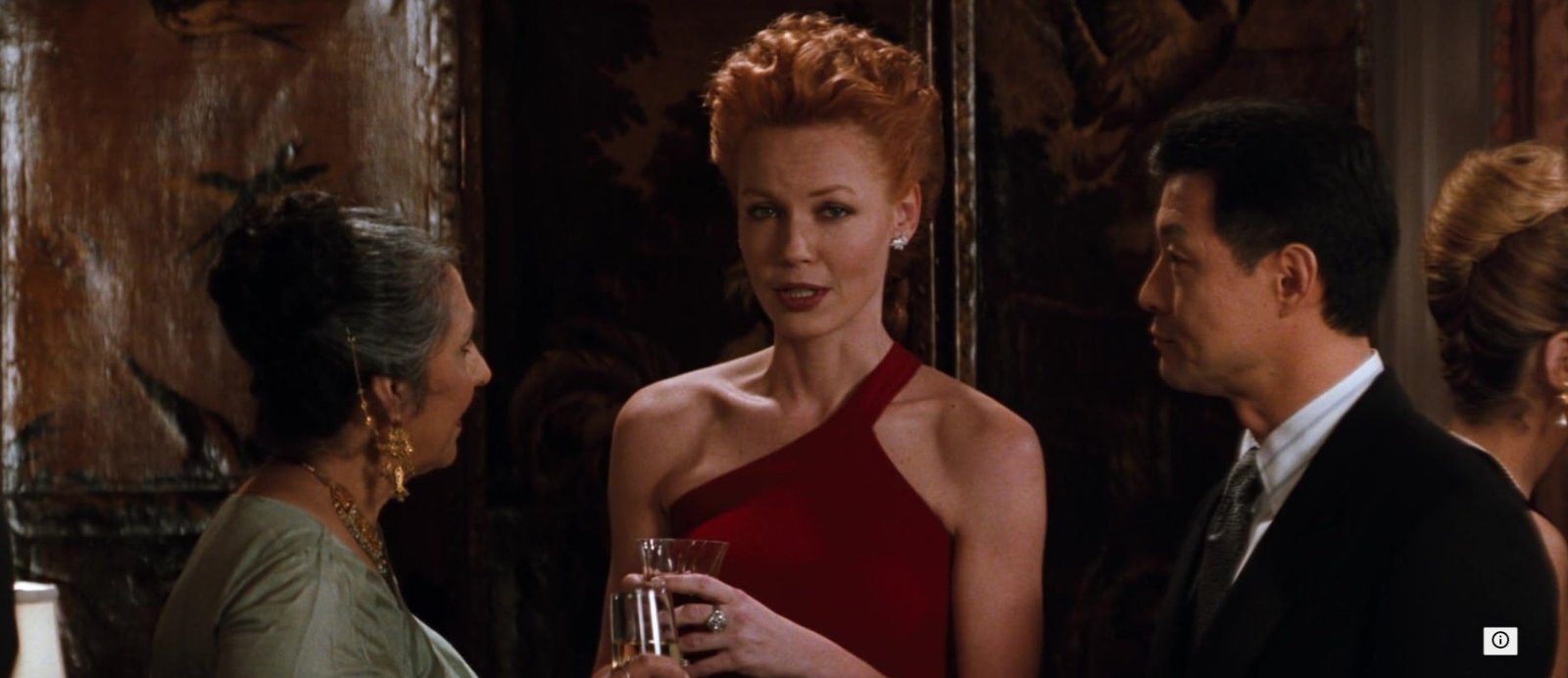
Now let's move from the stage to the screen.
In the 1997 film The Devil's Advocate, Keanu Reeves plays Kevin Lomax, a successful young lawyer offered an extraordinary opportunity by a powerful New York law firm. Al Pacino plays John Milton, the firm's mysterious leader, who is ultimately revealed to be Satan. Connie Nielsen plays Christabella, a woman whose seductive presence becomes part of Milton's manipulation of Lomax.
The film uses temptation to expose the weakness of a man who believes he can have success, money, sex, and power without paying a spiritual price.
The Lady in Red represents that temptation.
She is exciting. She is desirable. She appears to offer a more glamorous life. But behind the fantasy is a trap: the promise of pleasure becomes a distraction from responsibility, morality, and truth.
Think about what people are taught to chase throughout their lives:
- Sex: Follow your desires, no matter the consequences.
- Money: Measure your worth by what you own.
- Fame: Become admired, even if you must sacrifice your principles.
- Power: Believe that success makes you untouchable.
- Pleasure: Choose what feels good now over what is right in the long run.
These desires are not automatically evil. The danger is allowing them to become the things that control you.
In the spiritual framework of The Arrivals, this is how Satan's deception works: not necessarily by appearing as something frightening, but by presenting temptation as the very thing you have always wanted.
You may think you're becoming free when you're actually becoming dependent.
You may think you're gaining power when you're surrendering your principles.
You may think you're living your best life when you're being pulled further away from God.
The Lady in Red is the promise that you can have everything you desire without consequence. The trap is believing it.
The 2008 Oscars and the Lady in Red
The Lady in Red is not limited to one movie. Red dresses, seductive imagery, and carefully staged celebrity appearances regularly attract attention at major entertainment events, including award shows.
The 2008 Academy Awards took place in Los Angeles on February 24, 2008. When looking at red-carpet photographs and performances from that era through the lens of The Arrivals, the question becomes whether the color is merely fashion—or whether a particular appearance gains additional meaning from the surrounding imagery, staging, and context.
A red dress by itself is not proof of Satanism. But the symbolism of the Lady in Red gives us a way to examine how temptation is portrayed in popular culture: the glamorous appearance, the attention she attracts, and the way desire can pull someone away from what matters.
The question isn't whether every woman wearing red is part of some secret ritual. The question is why this particular image has such a powerful place in stories about seduction, danger, and deception.
Look at the full picture, not just the color.
The Matrix: Were You Looking at the Woman in the Red Dress?
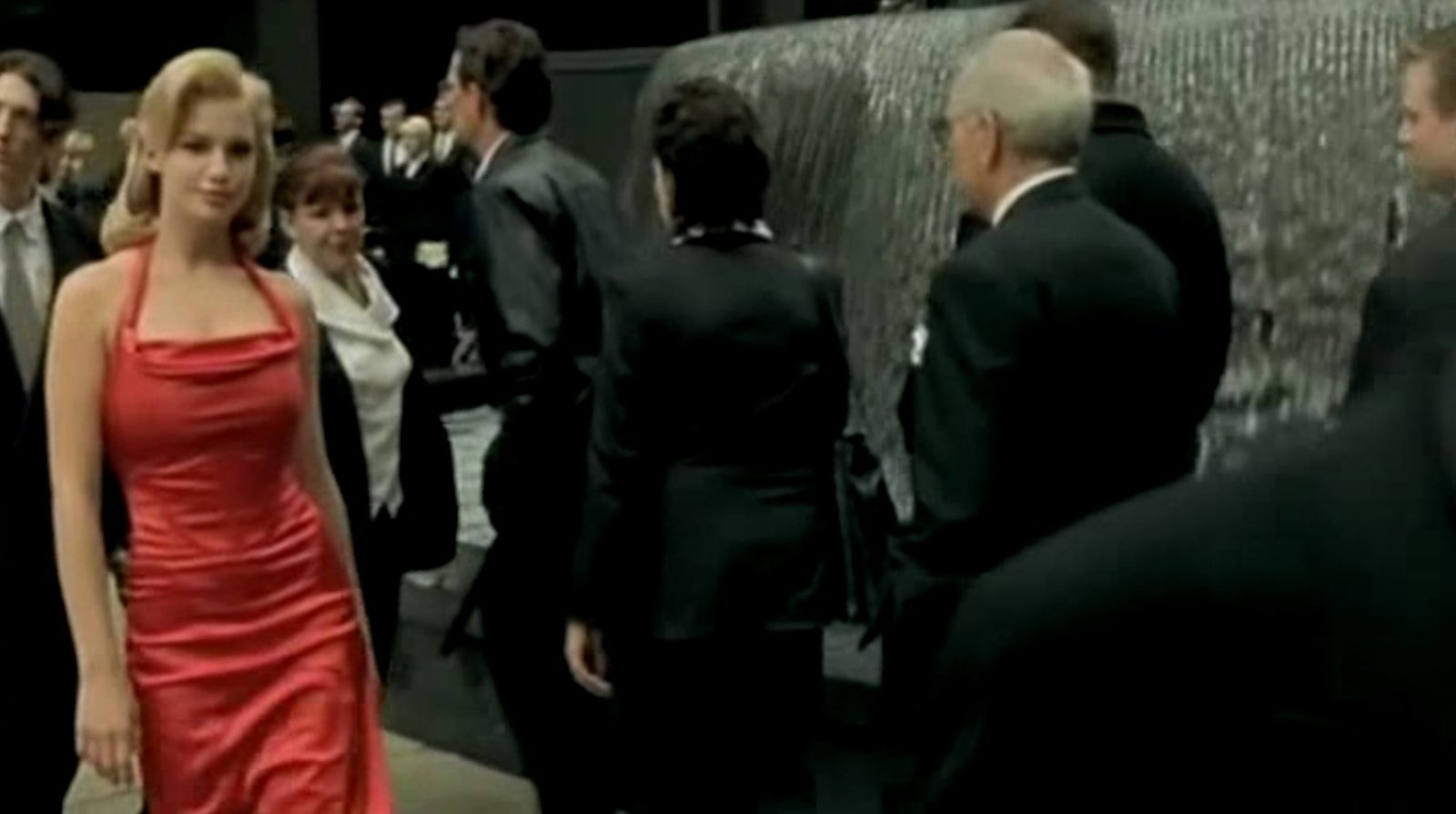
This is where The Matrix brings the message into focus.
In the 1999 film, Morpheus explains to Neo that the Matrix is a system. People living inside it are so accustomed to its rules that many cannot recognize the structure controlling their lives. During a training exercise, Morpheus asks Neo whether he was paying attention to the lesson—or looking at the woman in the red dress. When Neo becomes distracted, the woman is revealed as a trap within the simulation.
That scene is the perfect metaphor for this article.
While Morpheus is explaining the system, Neo gets distracted by something attractive. For a moment, his attention shifts away from the lesson. That distraction leaves him vulnerable.
How often does this happen in real life?
You're trying to understand what's happening in the world, but a celebrity scandal grabs your attention. You're trying to improve your life, but consumer culture convinces you that you need another purchase. You're trying to strengthen your relationship with God, but lust, greed, status, and entertainment keep pulling you in different directions.
The distraction doesn't have to look evil. That's what makes it effective.
And this is why celebrity culture matters in the larger argument of The Arrivals. Entertainment can shape what people desire, what they admire, what they accept, and what they stop questioning. Whether an artist intends to influence an audience or not, the influence itself can still be powerful.
The film's warning is clear: if you cannot control your attention, something else can control it for you.
Are You Ready to Pass the Test?
The Lady in Red represents more than a woman, a dress, or a scene from a movie. She represents the temptation to abandon the harder path for the easier one, to choose immediate gratification over spiritual discipline, and to mistake desire for freedom.
In the world described by The Arrivals, these distractions are tools of a much larger system—a system that keeps people focused on pleasure, status, and celebrity while deeper questions about truth, power, and spiritual deception go unanswered.
The Madonna performance, the checkered floor, the symbolism of the Lady in Red, and the scene from The Matrix are different pieces of a larger interpretive picture. The connections deserve examination, but symbolism alone cannot prove that a named celebrity belongs to a secret satanic organization. The deeper message does not depend on pretending that every suspicion is proven.
It depends on recognizing how easily human desire can be manipulated.
So ask yourself:
Are you chasing money at the expense of your integrity? Are you sacrificing your principles for sex, fame, or approval? Are you so consumed by entertainment that you no longer question the world around you?
Are you paying attention—or are you looking at the woman in the red dress?
The test is not easy. The distractions are everywhere. And sometimes the thing that looks like freedom is the very thing keeping you imprisoned.
Watch the material. Study the symbols. Do your own research. Most importantly, examine your own desires. You're smart enough to decide what it means.